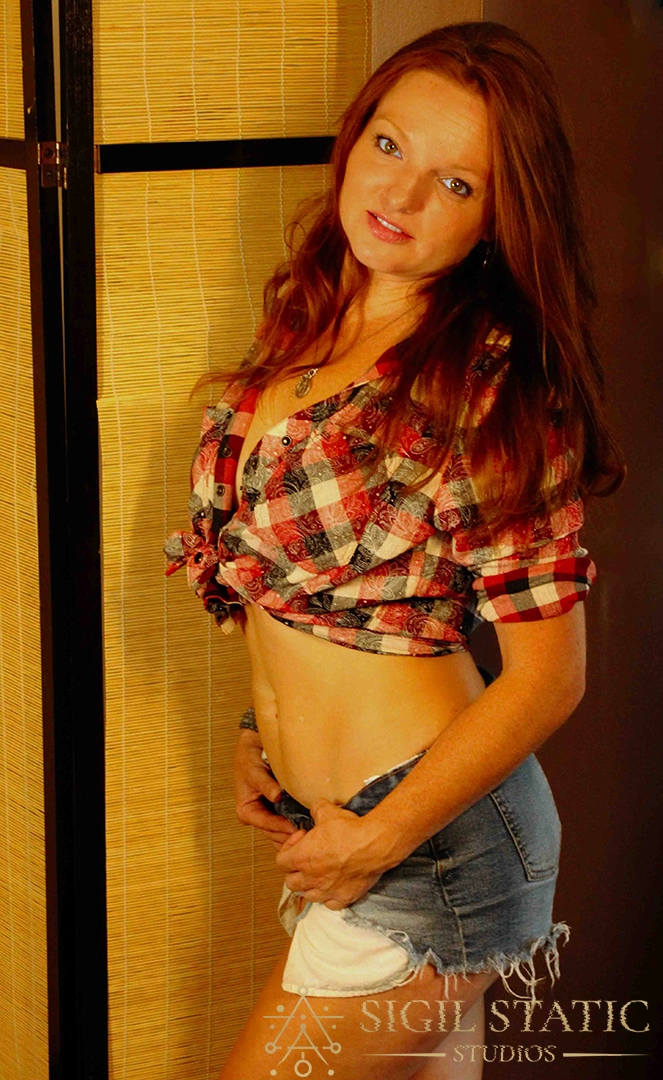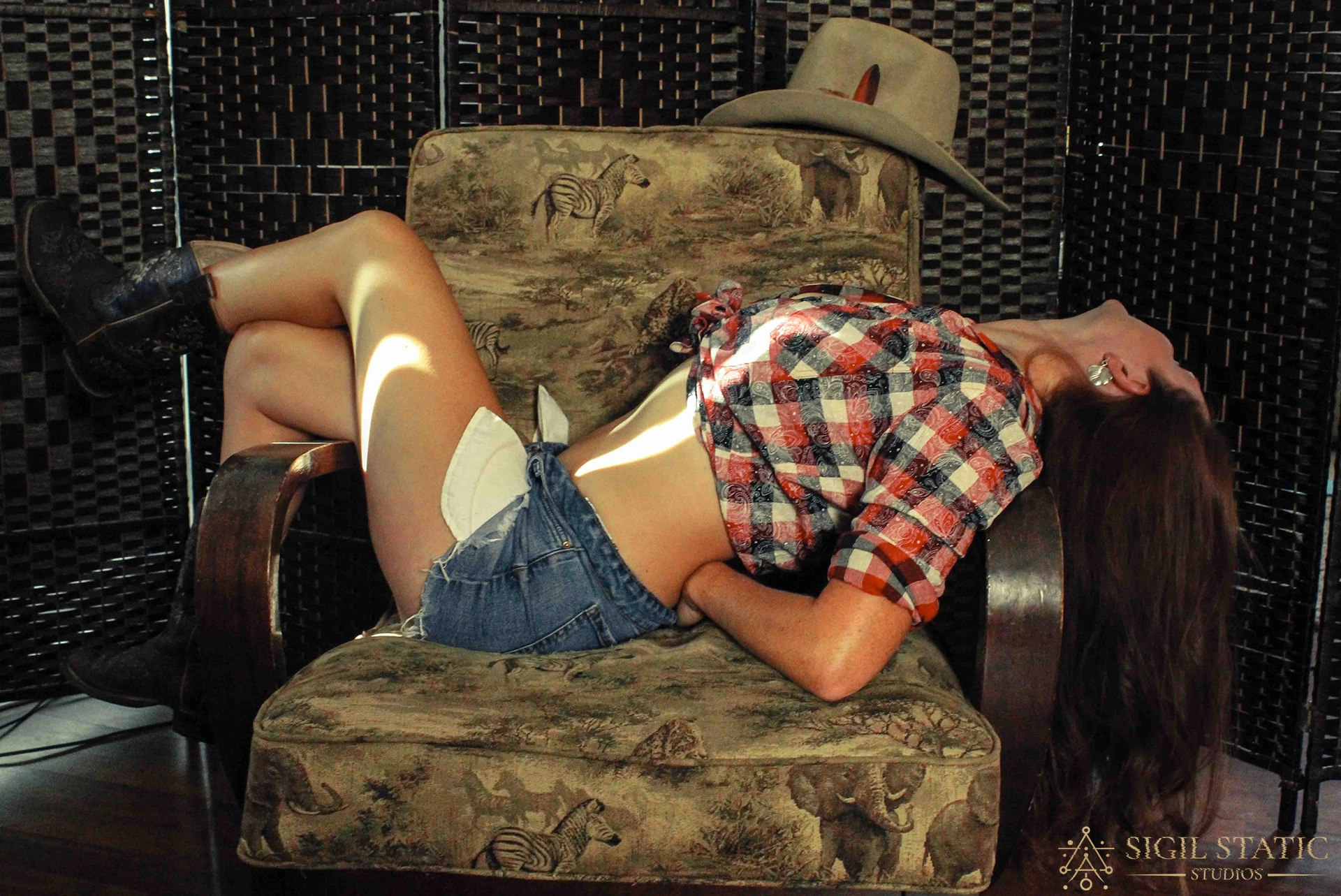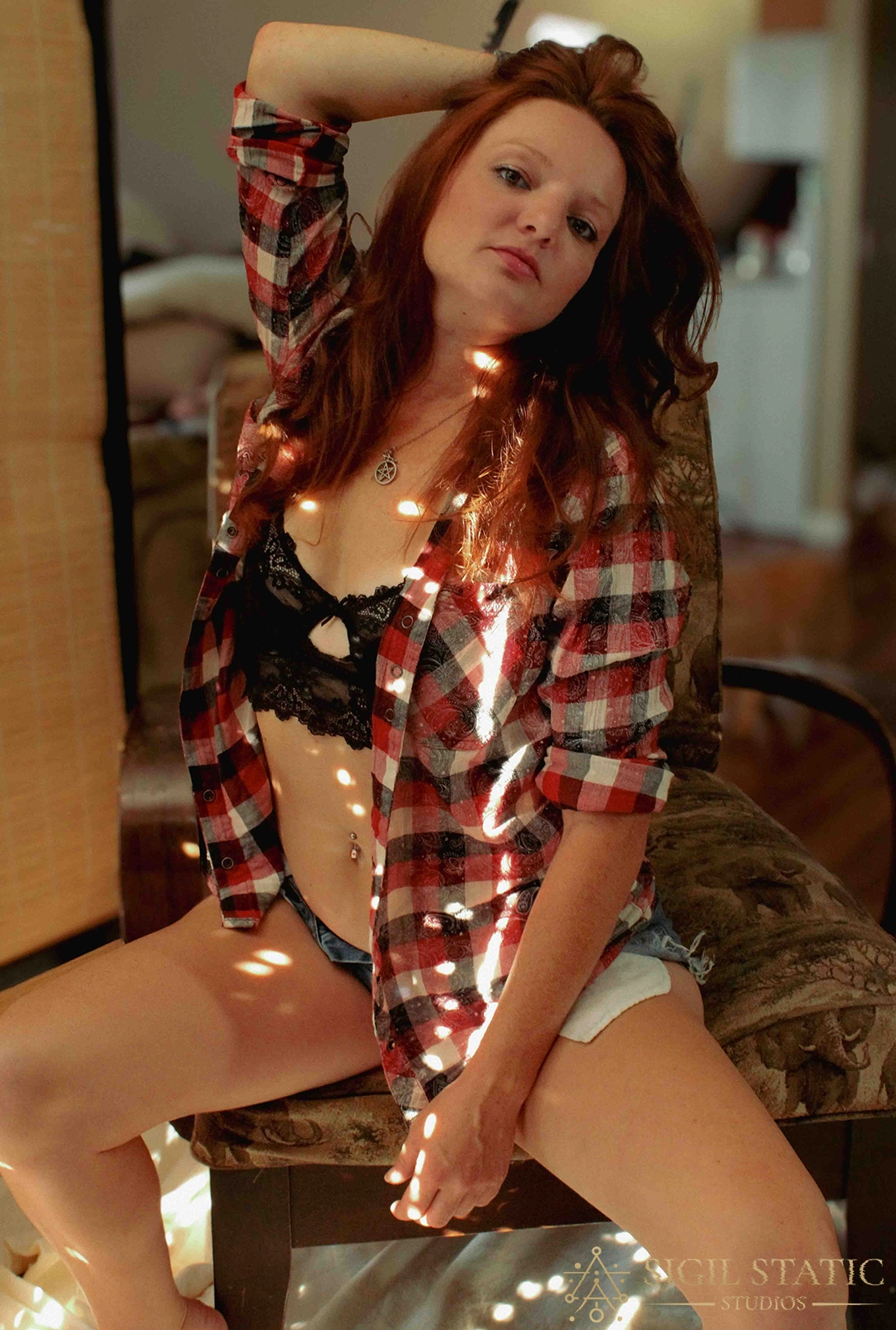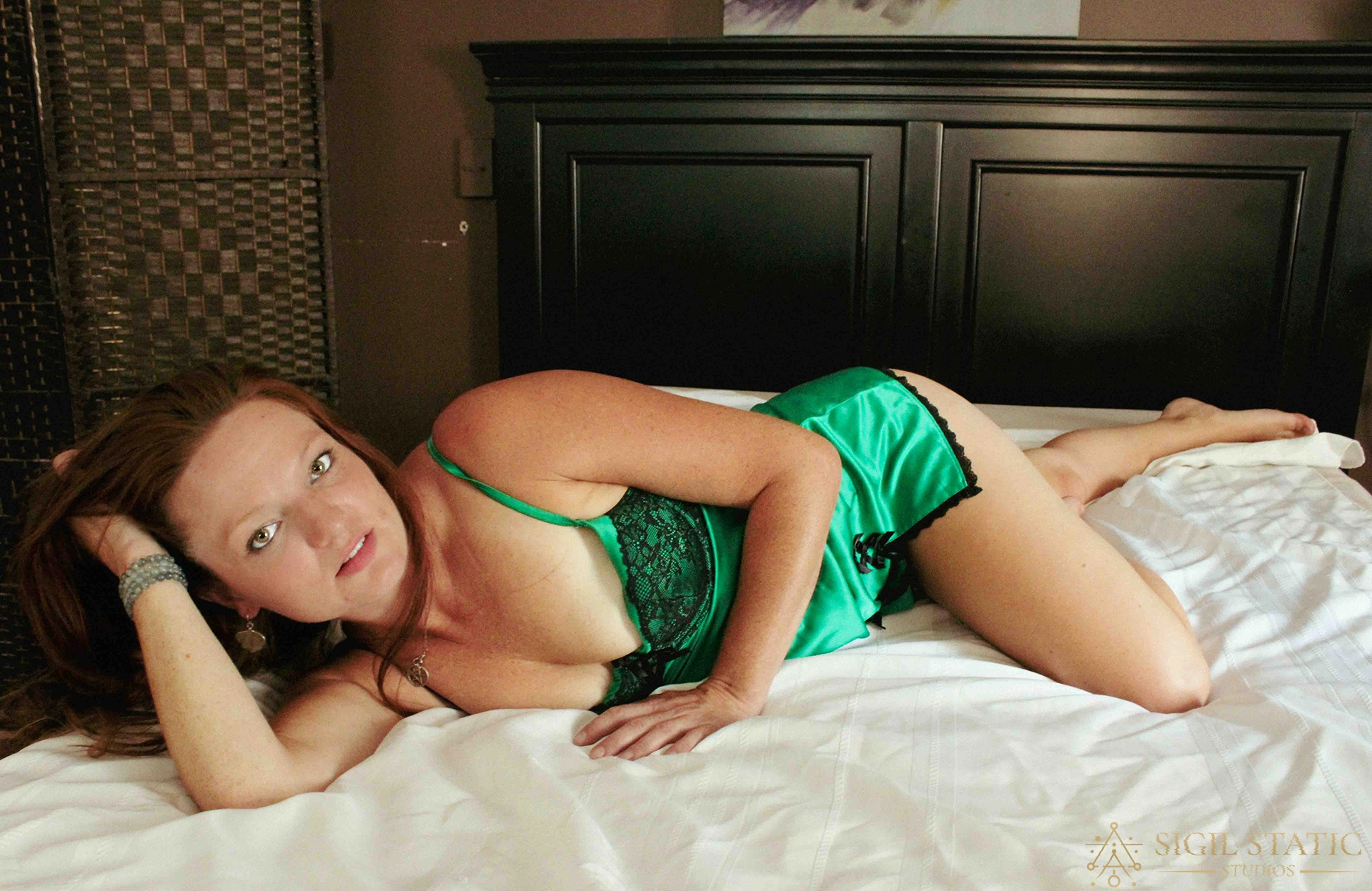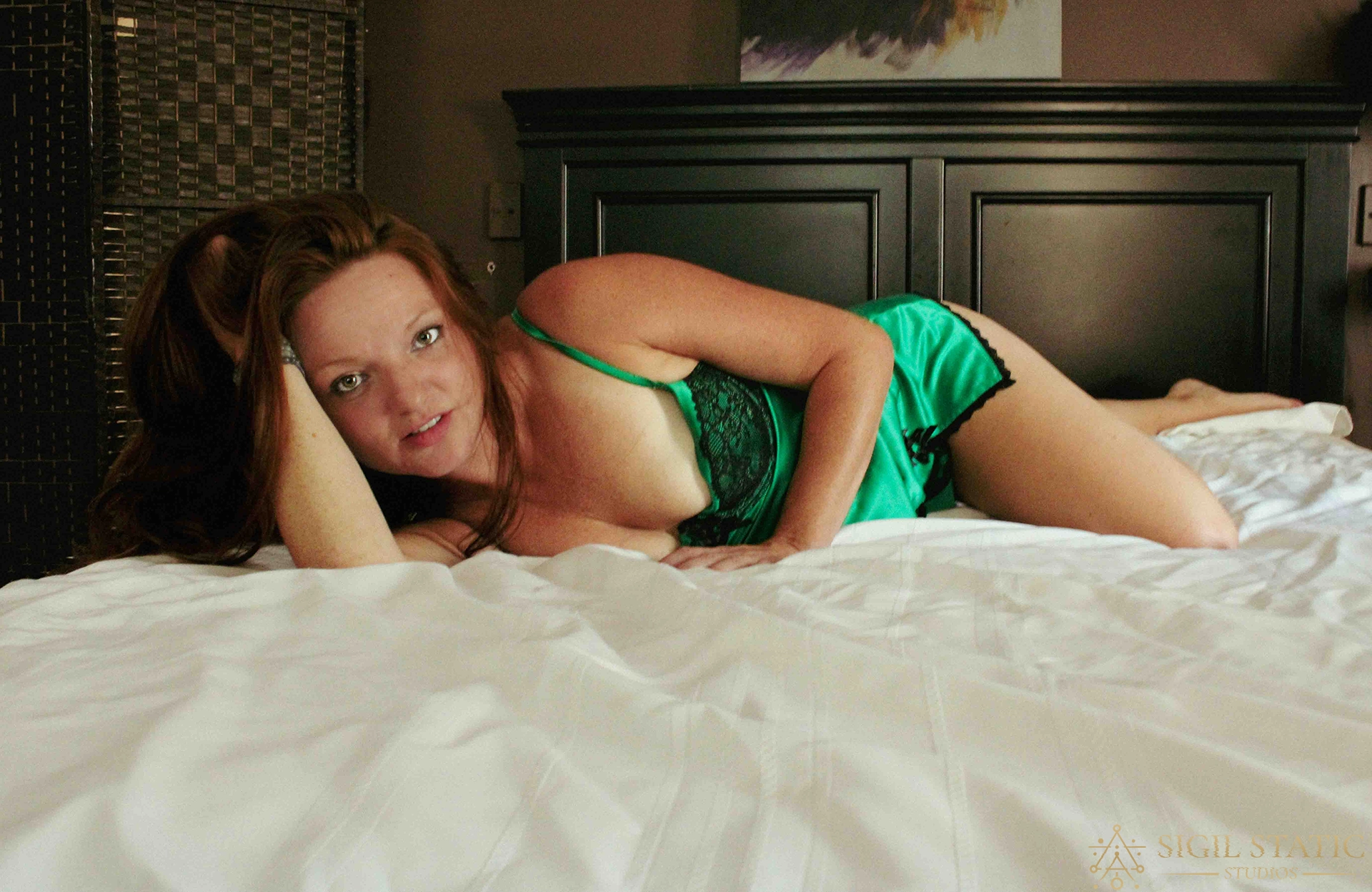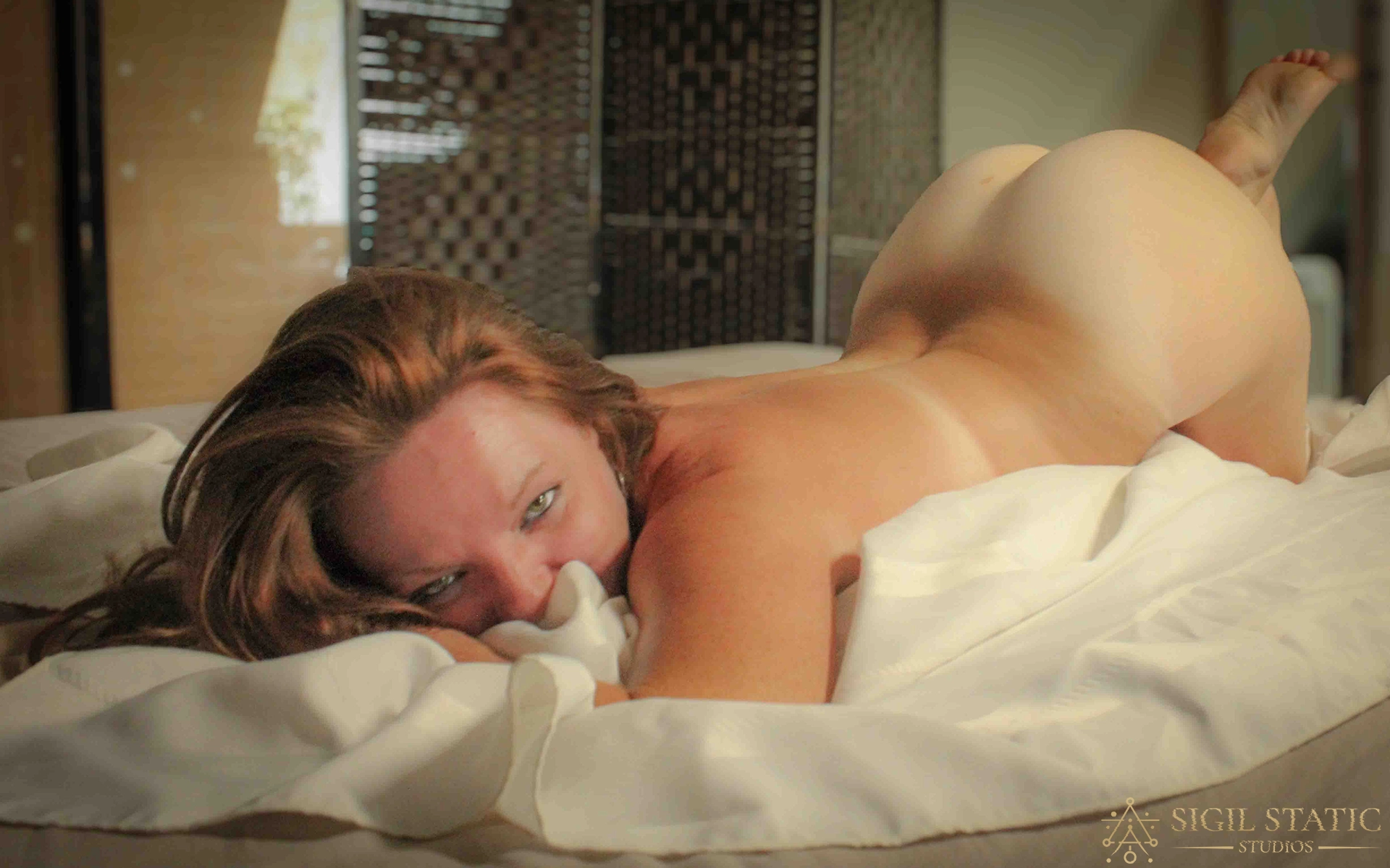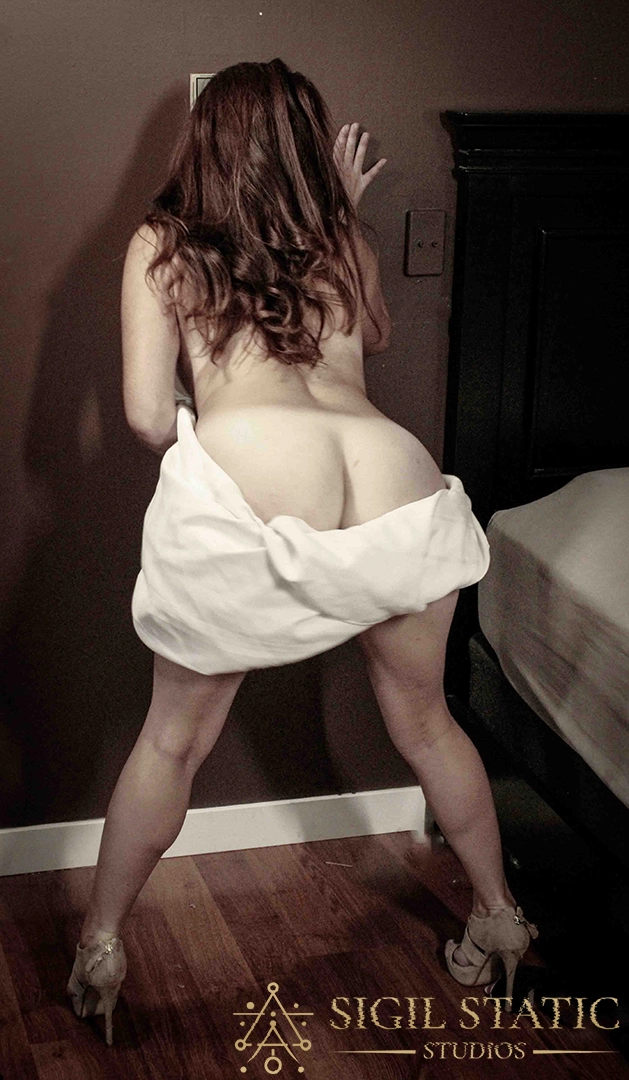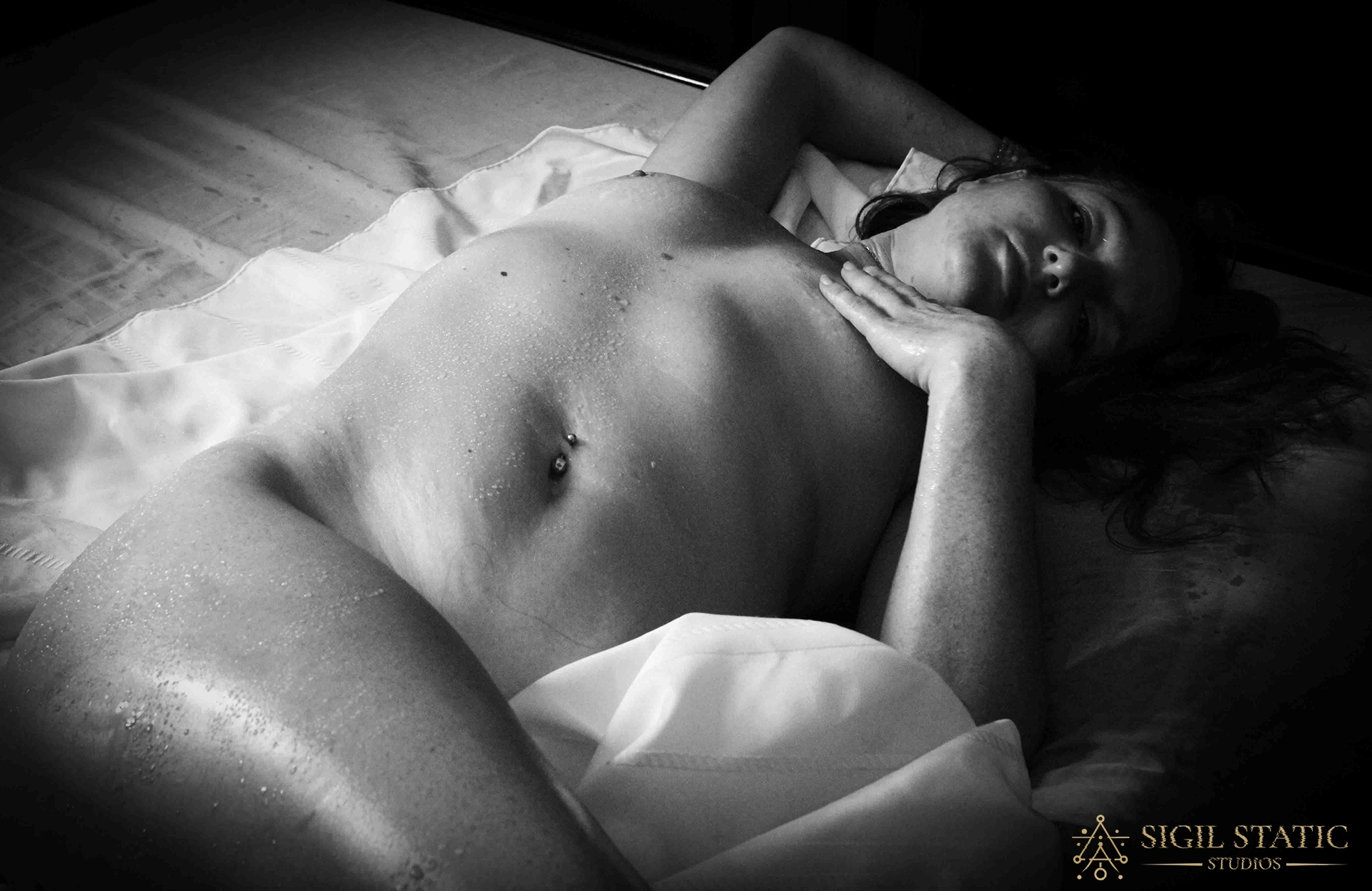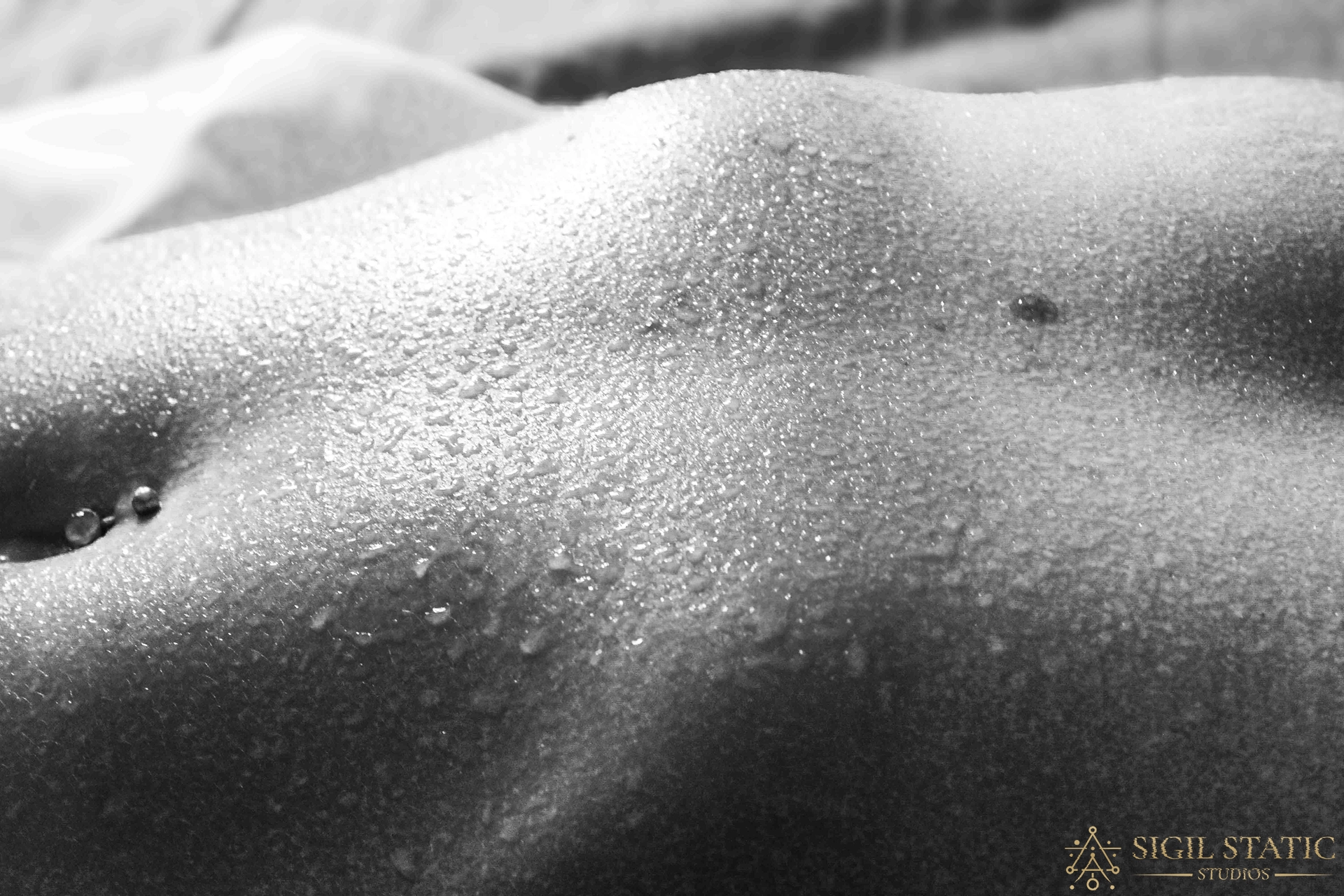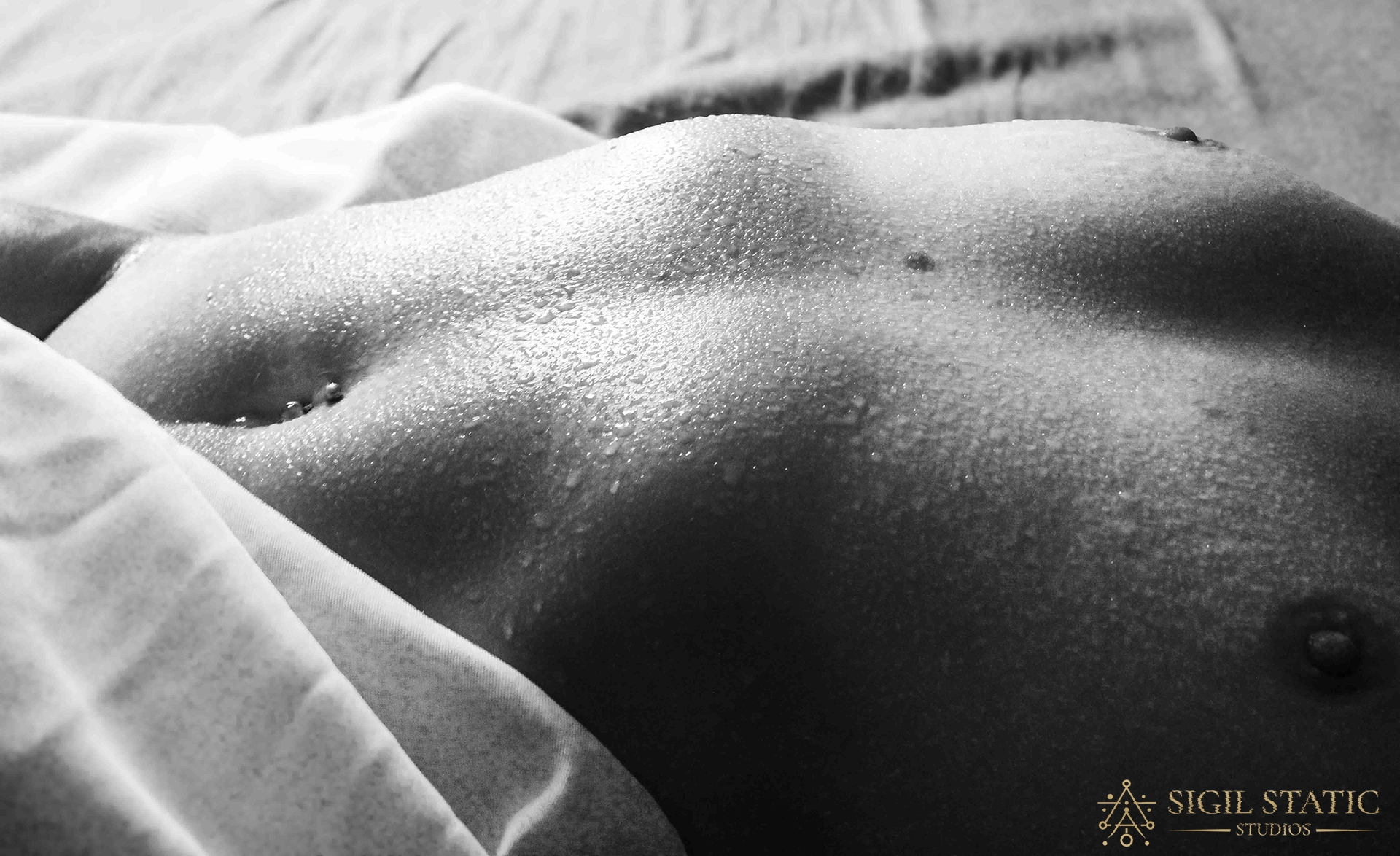
Lynnzee and I have been friends for more than twenty years. When she approached me about creating a boudoir series after the end of a difficult marriage her request was remarkably straightforward: she wanted to feel desirable.
That simplicity stayed with me.
Photography has an uneasy relationship with desire. To photograph someone as beautiful or sensual necessarily invites an audience to look. In boudoir that invitation is explicit. Yet our conversations about the gaze often treat being seen as desirable and being seen as fully human as though they exist in opposition.
I began wondering whether they have to.
There is an obvious difference between reducing someone to an object and allowing them to experience the pleasure and confidence of being desired. Perhaps objectification and humanization are not always opposite ends of a switch. Perhaps the more important questions are who is looking, why they are looking and—most importantly—whether the person before the camera has agency in how they are seen.
For Lynnzee this wasn’t an abstract argument. She wanted these photographs. She wanted to inhabit this version of herself and see it reflected back.
My responsibility as the photographer was therefore not to decide what empowerment should look like for her. It was to listen.
On Being Seen exists somewhere within that tension between subject and object. It doesn’t attempt to resolve the male gaze or replace it with a supposedly virtuous alternative. Instead it asks whether desire itself can become collaborative.
The photographer chooses where to point the camera. The viewer will ultimately decide what they see.
But the subject gets a voice too.